










Understanding Paper Board Weights and Thickness: GSM vs. Pt for Custom Boxes
October 20, 2026
When designing OEM custom packaging box supplier, procurement managers and brand owners often encounter a common technical hurdle during material specification: understanding paperboard density and caliper metrics.
Depending on where your packaging supplier is located, material specifications may be listed in GSM (Grams per Square Meter) or Pt (Points / Caliper). Confusing weight with physical thickness can lead to boxes that feel flimsy, deform during stacking, or fail to protect product contents in transit.
Below is a technical guide from the paperboard engineers at King Box explaining the differences between GSM and Pt, conversion references, and practical material selection guidelines for custom boxes.
1. What Is GSM vs. What Is Pt (Point / Caliper)?
While both metrics indicate paperboard quality, they measure fundamentally different physical properties:
A. GSM (Grams per Square Meter) — Mass per Unit Area
- Global Standard: Primary measurement metric across Asia (China), Europe, and international packaging supply chains.
- What It Measures: The total weight in grams of a single sheet of paperboard measuring one square meter ($1\text{ m} \times 1\text{ m}$).
- Rule of Thumb: A higher GSM indicates a denser, heavier paper sheet.
B. Pt (Point / Caliper) — Physical Thickness
- North American Standard: Primary measurement metric across the United States and Canada.
- -What It Measures: The physical thickness (caliper) of paperboard, measured in thousandths of an inch.
- -Rule of Thumb: A 16 pt paperboard measures 0.016 inches, equivalent to approximately 0.406 mm} thick.
Key Distinction: GSM measures weight and mass density, while Pt measures physical thickness. Because different paper stocks (e.g., uncoated Kraft vs. high-density coated SBS board) have varying fiber compression, two boards with the exact same GSM may have slightly different Pt calipers.
2. Quick Conversion Reference Guide for Packaging Papers
To assist global B2B buyers sourcing custom boxes, below is a comparative conversion chart for standard Solid Bleached Sulfate (SBS) and coated cardstock:
| Point / Caliper (Pt) | Thickness (mm) | Approx. Weight (GSM) | Common Custom Box Applications |
| 10 pt | 0.254mm | ∼ 230 – 250 GSM | Box liners, paper sleeves, lightweight retail wraps |
| 12 pt | 0.305mm | ∼ 280 – 300 GSM | Standard retail folding cartons, small pharma boxes |
| 14 pt | 0.356 mm | ∼ 320 – 350 GSM | Premium cosmetics, apparel boxes, food packaging |
| 16 pt | 0.406 mm | ∼ 380 – 400 GSM | Heavy retail packaging, medium e-commerce cartons |
| 18 pt – 24 pt | 0.457 – 0.610 mm | ∼450–600 GSM | Heavy-duty folding boxes, tech accessories, software |
3. Paper Board Ratings for Different Custom Box Structures
Different box styles require different material structures to maintain rigid geometry and load-bearing performance:
A. Folding Cartons & Tuck-Top Boxes
- Standard Spec: 14 pt to 18 pt (300 GSM to 450 GSM) SBS / C1S (Coated One Side) paperboard.
- Performance Benefit: Provides high foldability along die-lines without cracking surface varnish or foil stamping.
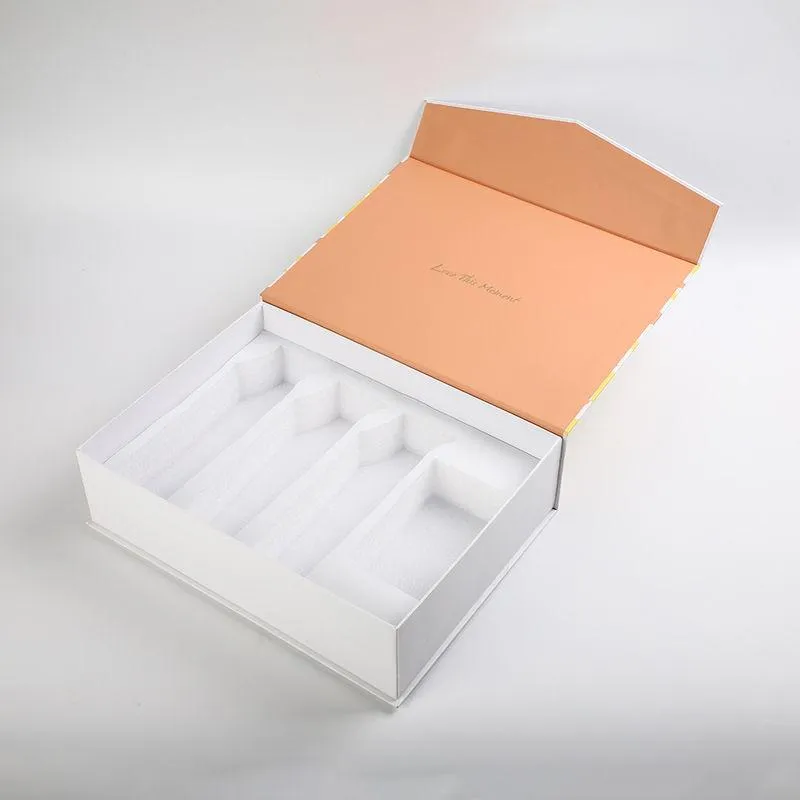
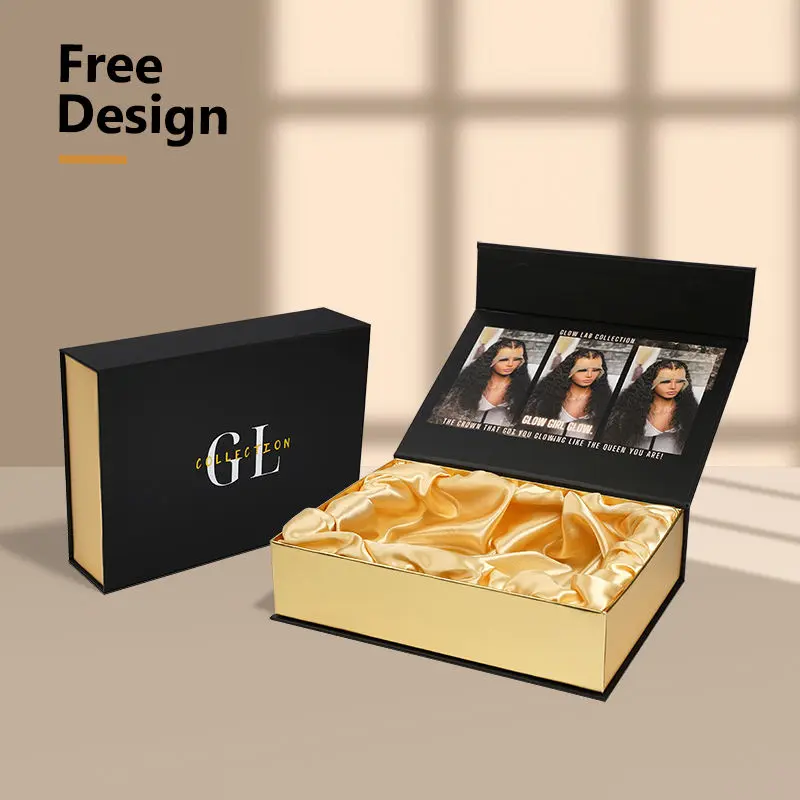
B. Luxury Rigid Boxes & Magnetic Gift Boxes
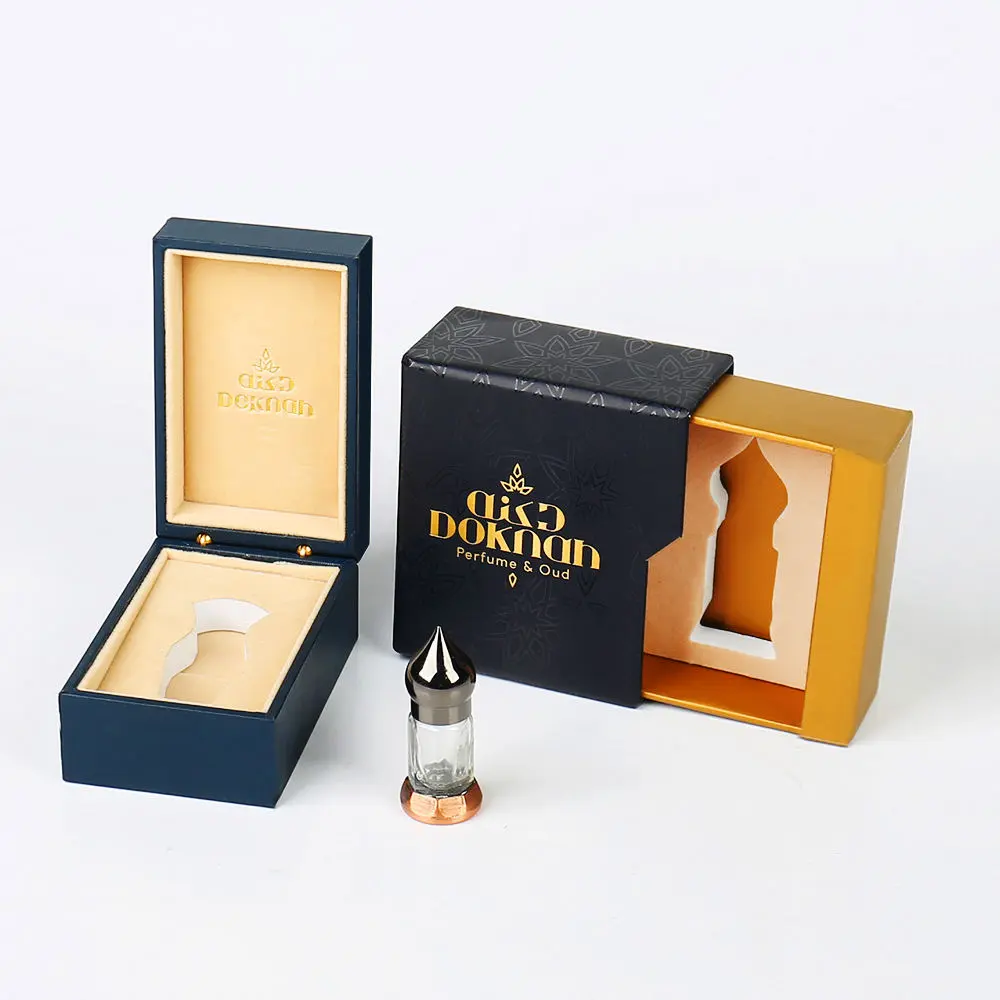
Rigid boxes do not rely solely on cardstock. Instead, they use thick Greyboard / Chipboard cores wrapped with lighter cover paper:
- Inner Greyboard Core: 1.5mm to 3.0mm thickness (approx. 900 GSM to 1800 GSM) for rigid wall strength.
- Outer Wrapping Paper: 120 GSM to 157 GSM coated art paper or specialty paper wrapped around the core.
C. Corrugated E-Commerce Mailer Boxes
Corrugated mailers are rated by Flute Profile and Burst Test / ECT Strength rather than simple sheet GSM:
- E-Flute (1.5 mm thickness): Ultra-sleek, ideal for custom retail mailers and subscription boxes.
- B-Flute (3.0 mm thickness): Heavy-duty shock absorption for international courier freight.
4. B2B Sourcing Checklist: Getting Material Specs Right
- Specify Both Metrics in Purchase Orders: To avoid factory misunderstandings, list both GSM and Pt target specifications in contract dielines (e.g., 16 pt / 350 GSM C1S Board).
- Account for Coatings & Lamination: Adding matte/gloss lamination or soft-touch film increases both final board caliper thickness and moisture resistance.
- Request Physical Swatch Samples: Before mass production, request a unprinted “white sample prototype” from your supplier to test weight, hinge flexing, and product fit.
Partner with King Box for Precision Material Sourcing
Selecting the exact paperboard caliper ensures your custom packaging balances structural protection, shipping weight, and tactile brand appeal.
At King Box , our packaging engineering team helps global brands specify, prototype, and manufacture custom rigid boxes, folding cartons, and corrugated packaging tailored to exact international paper standards.
- Need guidance on choosing the right paperboard weight or request sample boxes? Contact Our Packaging Engineers today for expert advice and direct factory pricing!