








How to Reduce Shipping Costs and Prevent Damage When Importing Custom Boxes from China
October 5, 2026
Importing custom packaging and luxury gift boxes from China offers unmatched cost advantages and manufacturing craftsmanship for brands worldwide. However, managing transpacific or intercontinental logistics comes with unique challenges. Because custom boxes are bulky and vulnerable to moisture, crushing, and edge impact, two major concerns dominate every procurement manager’s mind: how to minimize international shipping costs and how to ensure goods arrive in pristine, retail-ready condition.
As a leading China custom packaging box manufacturer, King Box outlines proven, practical strategies to optimize your supply chain, protect your products during transit, and maximize your profit margins when importing custom boxes from China.
1. Optimize Box Design and Structural Engineering to Cut Freight Costs
International freight—whether by ocean or air—is calculated based on either actual weight or volumetric (dimensional) weight, whichever is greater. Because custom boxes are lightweight relative to their volume, they are almost always billed by dimensional weight.
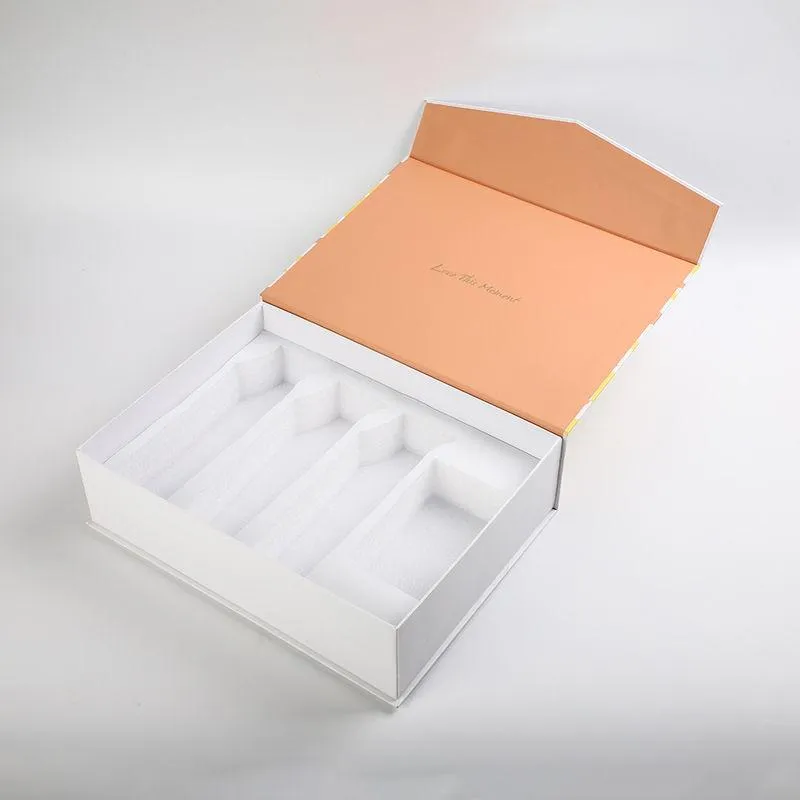
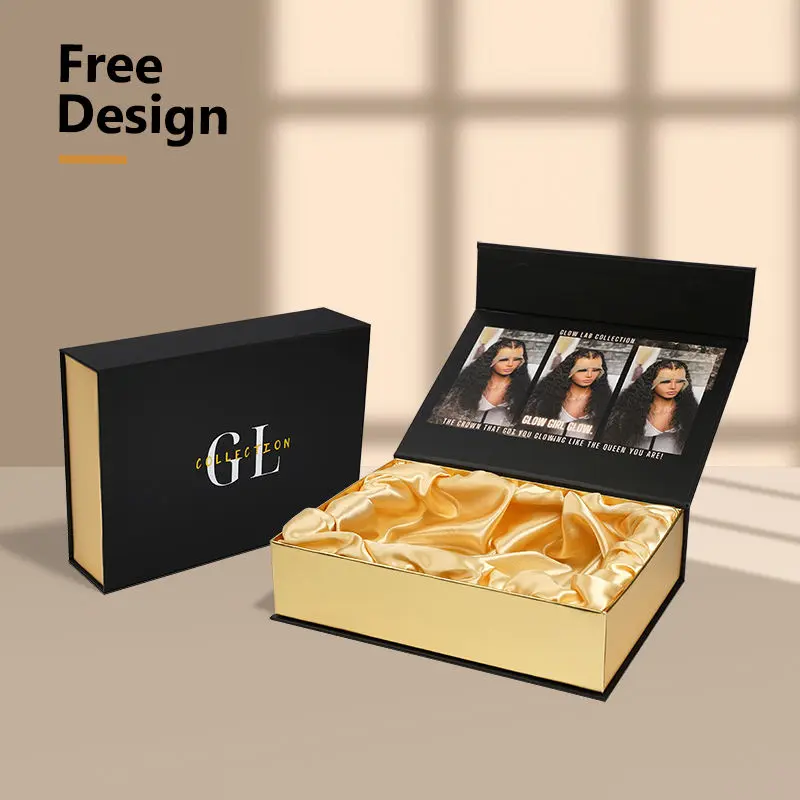
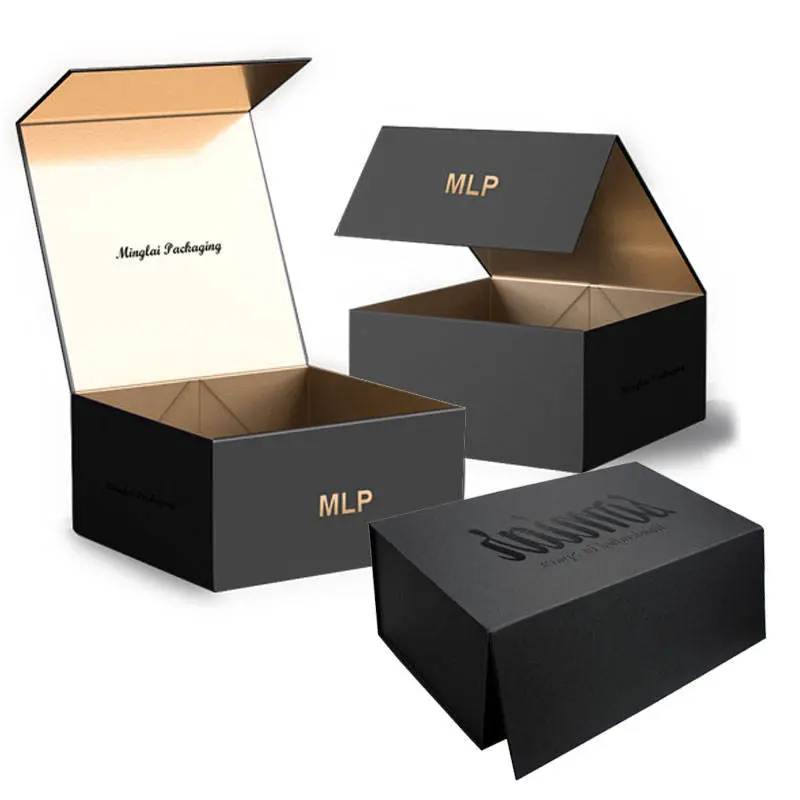
- Choose Collapsible or Foldable Structures: Rigid boxes are premium, but shipping them fully assembled means you are paying to transport empty air. Switching to collapsible rigid boxes (which feature hidden magnetic closures and fold flat) can reduce shipping volume by up to 70%, drastically cutting freight expenses.
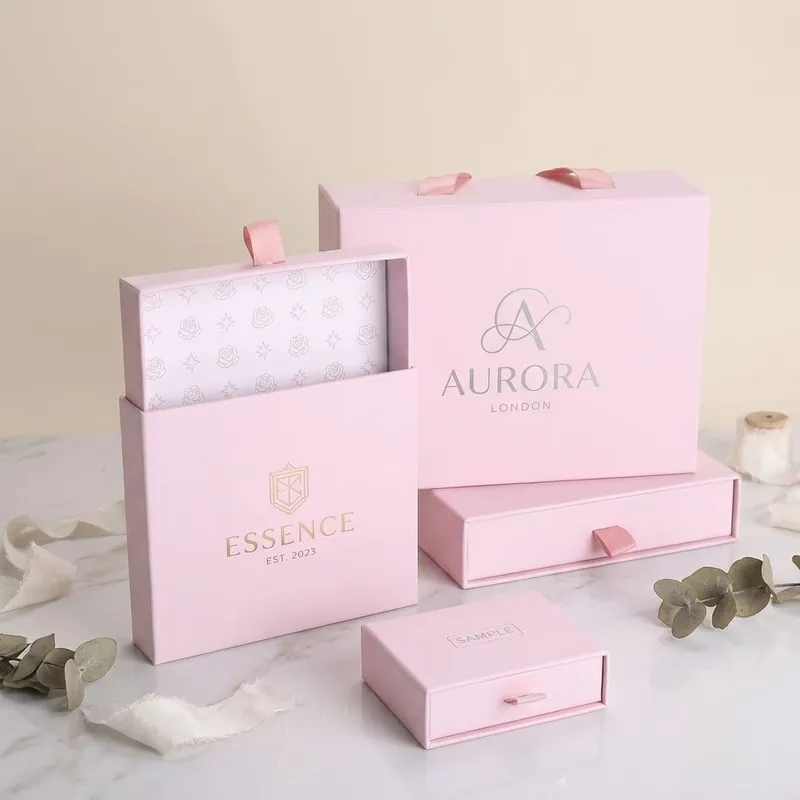
- Smart Nesting and Sizing: If you are ordering multiple box sizes (e.g., small, medium, and large for a product suite), design them to nest inside one another during transport.
- Optimize Carton Dimensions: Work closely with your packaging engineer to eliminate wasted space inside master export cartons.
2. Implement Heavy-Duty Packaging and Seaworthy Protection
Long maritime transits expose shipments to high humidity, rough sea conditions, and heavy stacking pressure inside shipping containers. Preventing damage starts long before the cargo leaves the factory floor.
- Double-Wall Export Cartons: Never compromise on master carton quality. Always demand export-grade, 5-ply or 7-ply corrugated master cartons (K-K or K-A fluting) rather than flimsy single-wall boxes.
- Corner and Edge Protectors: Custom luxury boxes are prone to dented corners during rough handling. Use heavy-duty plastic or paper edge protectors on all vertical and horizontal corners of the master pallets.
- Moisture and Humidity Control: Ocean containers experience dramatic temperature fluctuations, leading to “container rain.” Protect your paper packaging by lining master cartons with heavy-duty waterproof poly bags and placing industrial-grade silica gel desiccant packets inside every carton to absorb excess moisture.
3. Choose the Right Shipping Mode and Incoterms
Balancing transit time and freight budget requires careful selection of shipping methods and contractual terms.
- FCL vs. LCL: If your order volume is large enough, always book a Full Container Load (FCL). LCL (Less than Container Load) means your boxes are consolidated with other goods, increasing the risk of handling damage, crushing, and wet cargo contamination.
- Understand Your Incoterms: Whether you work on FOB (Free on Board) or DDP (Delivered Duty Paid) terms, ensure your freight forwarder specializes in fragile paper products and understands how to handle custom packaging pallets properly.
4. Partner with an Experienced Manufacturer Like King Box
The most effective way to eliminate shipping damage and control logistics costs is to work with a manufacturer that understands export packaging standards from the ground up.
At King Box, we don’t just manufacture stunning custom packaging; we design structural layouts optimized for international transit. From rigorous pre-shipment drop-testing and reinforced export palletizing to flat-pack engineering solutions, we ensure your investment arrives safely and economically.
Conclusion: Smart Logistics for Premium Packaging
Importing custom boxes from China doesn’t have to be a logistical headache. By optimizing your box structures, choosing collapsible designs, reinforcing master cartons for ocean freight, and partnering with an experienced factory, you can slash shipping costs while guaranteeing flawless, retail-ready quality.
Ready to optimize your custom packaging supply chain? Contact us today at King Box to discuss your upcoming project, request structural engineering samples, or get a comprehensive shipping and manufacturing quote.